Disclosure: this article contains affiliate links — we may earn a commission on qualifying purchases at no extra cost to you.
| Rank | Accessory | Type | Price | Verdict |
|---|---|---|---|---|
| 1 | Insulated Cover | Heat retention | $200-$500 | Biggest ROI by far |
| 2 | Floating Thermometer | Monitoring | $15-$80 | Skip Pentair, buy Ice Barrel |
| 3 | Quick-Dry Microfiber Towel | Recovery | $20-$45 | Dries 5x faster than cotton |
| 4 | Changing Robe | Recovery | $80-$250 | Stops afterdrop fast |
| 5 | Neoprene Booties | Foot protection | $25-$60 | Tolerance changer |
| 6 | Hydrogen Peroxide / Sanitizer | Water treatment | $20-$50 | Safest sanitizer option |
| 7 | Submersible Circulation Pump | Water movement | $50-$200 | Makes water feel 45% colder |
| 8 | Waterproof Timer | Session control | $25-$60 | Stops over-immersion |
| 9 | Step Stool + Grab Bar | Safety entry | $60-$180 | Non-negotiable for stiff legs |
| 10 | Floor Mat | Comfort + drip | $40-$120 | Keeps recovery zone dry |
A cold plunge tub is the centerpiece, but the accessories decide whether you actually use it. Most owners spend $5K on a chiller and then skip the $30 floating thermometer, the $200 cover, and the $50 booties. Six months later, the tub sits unused because each session is friction.
The right accessory stack does three things. It cuts operating cost (ice, electricity, chemicals). It makes the cold tolerable so you actually finish the protocol. And it keeps the water sanitary so you don't grow biofilm.
This guide ranks ten accessories by impact-to-price ratio. We sourced from Amazon, dedicated plunge retailers like PolarMonkeys and Plunge, and recovery brands like LUMI Therapy.
Affiliate disclosure: Some product links may earn us a commission at no cost to you.
1. Insulated Cover — Heat Retention That Pays Itself Off (Verdict: Biggest ROI by far)
Up to 40% of total heat loss in a cold plunge comes straight off the water surface (Sun Home Saunas, 2025). An insulated cover with R-10 to R-15 rating drops temperature rise to just 4-6°F per day, slashing ice needs by 60% and chiller runtime from 6-8 hours to 1-2 hours daily (Calore Health, 2026).
Top picks:
- PolarMonkeys Insulated Cold Plunge Cover ($249) — marine-grade synthetic leather with 3-inch insulation foam (PolarMonkeys, 2026)
- Renu Therapy All-Weather Spa Cover ($349) — fits Cold Stoic 2.0 tubs (Renu Therapy, 2026)
- Plunge Acrylic Tub Cover ($395) — premium build for Plunge tubs (Plunge, 2026)
If you only buy one accessory, buy this one. Payback is usually under 60 days in chiller electricity savings alone.
2. Floating Thermometer — Skip the Pentair Sensors (Verdict: Skip Pentair, buy Ice Barrel)
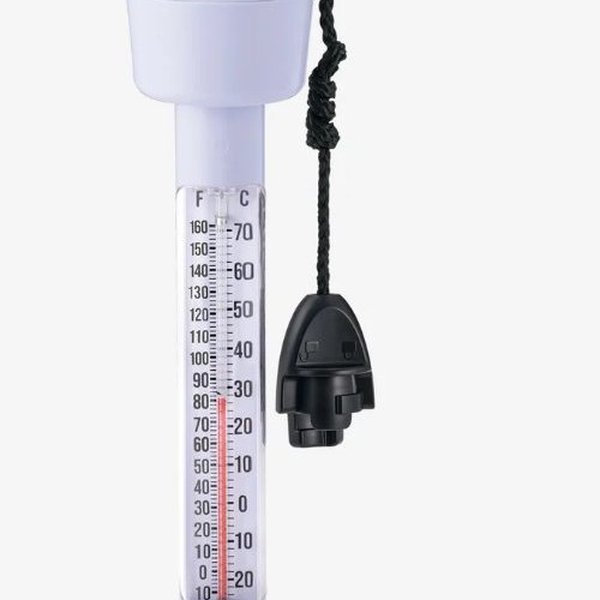
Pentair and Hayward make excellent pool sensors, but they're built for in-line plumbing — not floating ice baths. For a plunge, you want a shatterproof floating unit you can read with numb fingers.
Top picks:
- Ice Barrel Cold Plunge Thermometer ($35) — shatterproof, dual-scale, floats or sinks (Plunge Junkies, 2026)
- VIVOSUN Digital Water Thermometer ($25) — accuracy from -58°F to +158°F
- INKBIRD IBS-P01R Wireless ($60) — 300-foot wireless range for monitoring before you get in
Avoid the temptation to use a Pentair 520272 air/water sensor here. Those 10K-ohm NTC thermistors are designed for pool automation systems, not handheld reading (Trouble Free Pool, 2026).
3. Quick-Dry Microfiber Towel — Five Times Faster Than Cotton (Verdict: Dries 5x faster than cotton)
Cotton holds water and chills you further when you step out. Microfiber absorbs up to seven times its weight, then air-dries in minutes (Daily Bedroom, 2026).
Top picks:
- Kalm NOW Plunge Towel ($39) — engineered specifically for cold plunge with cooling tech (Kalm NOW, 2026)
- Rainleaf Microfiber Towel ($18) — Amazon bestseller, 5x faster drying than cotton
- Monster Camping Towel ($25) — premium build for daily plungers
With proper washing, expect 1-2 years of regular use before fiber breakdown reduces absorbency.
4. Changing Robe — Stops Afterdrop in Its Tracks (Verdict: Stops afterdrop fast)
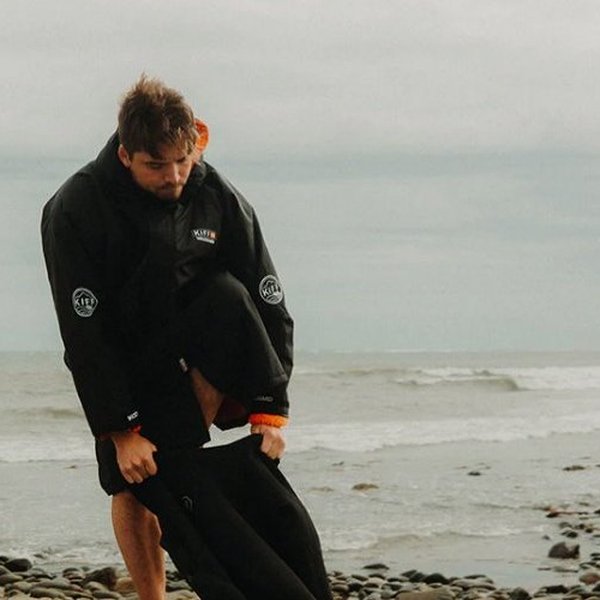
Afterdrop is the post-immersion dip in core temp that keeps falling 30+ minutes after you exit. A waterproof-shell, fleece-lined changing robe blocks wind and traps body heat fast.
Top picks:
- LUMI Therapy PRO DUO Robe ($229) — waterproof outer shell, ultra-soft fleece lining, zip-in towel poncho (LUMI Therapy, 2026)
- Red Original Pro Change Robe EVO ($249) — waterproof nylon shell, spacious cut for fast wet-swimsuit changes
- Bluefin SUP Heatwave ($129) — Sherpa fleece, removable sleeves, pockets
Step straight from immersion into a warm robe (Sun Home Saunas, 2026). Transitioning fast cuts afterdrop severity.
5. Neoprene Booties — The Tolerance Game-Changer (Verdict: Tolerance changer)
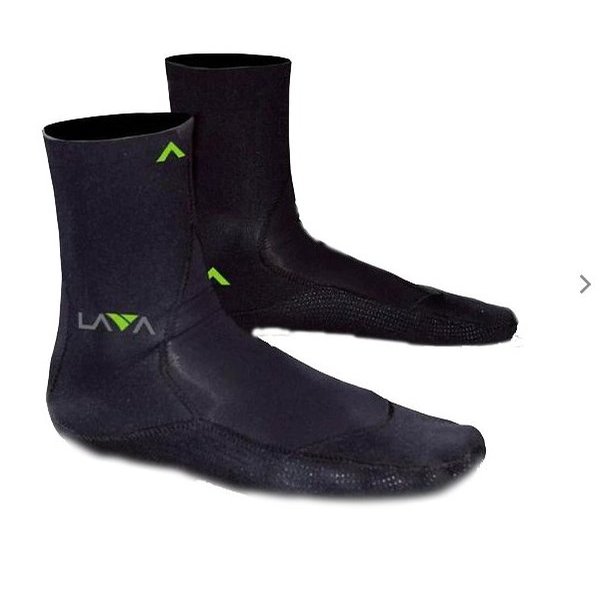
Feet have a high surface-to-volume ratio and crash temperature fastest. Neoprene traps a thin water layer your body warms, creating an insulating barrier that prevents chilblains and frostbite (HealthHQ, 2026).
Top picks:
- XUKER Neoprene Socks ($29) — 3mm construction, snug fit, slip-resistant sole
- blueseventy Cold Water Swim Socks ($45) — 2mm Yamamoto neoprene lined with zirconium for top-tier warmth
- OMGear Neoprene Cold Plunge Socks ($22) — budget pick, 3mm with adjustable ankle strap
If you can't hit your protocol time, try booties before you give up. Most users add 2-3 minutes of tolerance immediately.
6. Hydrogen Peroxide Water Treatment — Safer Than Chlorine (Verdict: Safest sanitizer option)
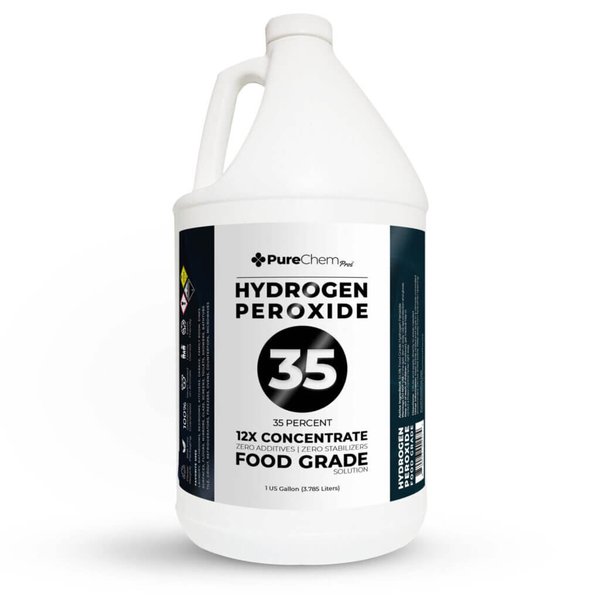
Cold water doesn't kill bacteria. Without sanitizer, you'll see biofilm within 5-7 days. Food-grade hydrogen peroxide (30-35%) breaks down into water and oxygen without irritating skin or eyes (Sweat Decks, 2026).
Top picks:
- 35% Food-Grade Hydrogen Peroxide ($30 / gallon) — target 30-50 ppm, dose weekly
- Chlorine (1-3 ppm) — classic option but less stable in cold water and has odor (Peak Primal Wellness, 2026)
- Ozone systems — primary sanitization paired with minimal chemical backup gives professional results
A combination of ozone plus 25-30 ppm hydrogen peroxide is the gold standard. Skip bromine in cold water — it doesn't dissociate efficiently below 60°F.
7. Submersible Circulation Pump — Stops the 60-Second Crash (Verdict: Makes water feel 45% colder)
Without circulation, your body heats the water around you within 30-60 seconds, creating a warm thermal layer. Moving water draws heat ~45% faster (Plunge Junkies, 2026).
Top picks:
- Pod Company Water Circulation Jet ($129) — designed for ice bath integration (Pod Company, 2026)
- Titan Wave Maker Submersible Pump ($89) — popular DIY-friendly choice
- Danner 950/1200 Pumps ($69-$149) — proven workhorses for chest-freezer builds
Critical safety rule: unplug the pump before entering the tub and always use a GFCI outlet (Pressbooks CUNY, 2026). Submersible electrical devices in water demand respect.
8. Waterproof Timer — Stops Over-Immersion (Verdict: Stops over-immersion)
The Søberg protocol caps weekly cold exposure around 11 minutes total. Without a timer, most users either bail at 30 seconds or push past the safety window. A floating waterproof unit keeps you honest.
Top picks:
- BoxPlunge Timer & Thermometer ($59) — combo unit with auto water-detect timer (BoxPlunge, 2026)
- NordicWay Bluetooth Timer ($79) — app-connected, fully waterproof, floats
- Warrior Willpower Waterproof Timer ($35) — simple, durable, no app needed (Warrior Willpower, 2026)
Pair this with the thermometer and you've got everything needed to dose cold exposure like a protocol, not a guessing game.
9. Step Stool + Grab Bar — Safety for Stiff Cold Legs (Verdict: Non-negotiable for stiff legs)
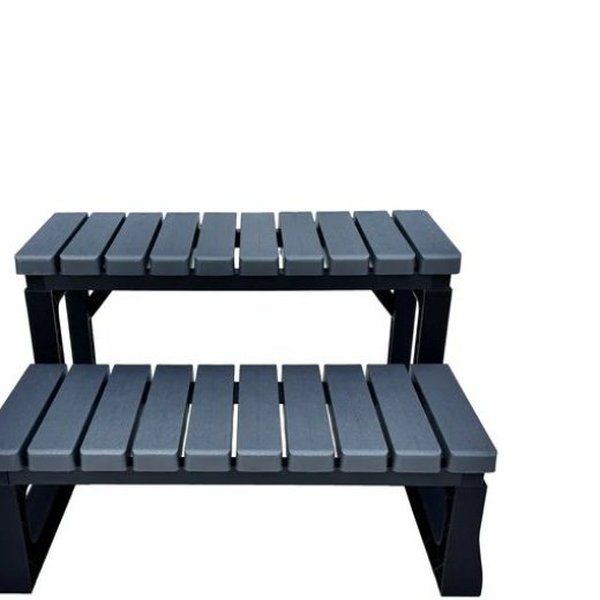 Image: OSONE Cold Plunge Recovery
Step risers should be 6-7 inches high with at least 11-inch deep treads (Calore Health, 2026). Anything over 8 inches becomes hazardous for cold, stiff legs with reduced flexibility post-immersion.
Top picks:
- Ice Barrel Step Stool ($89) — recycled materials, non-slip surface and feet (Ice Barrel, 2026)
- OSONE Step Stool ($129) — slip-resistant, premium build (OSONE, 2026)
- Next-Step Safety Bar Accessory ($149) — adds a grab bar to existing stools
A grab bar should anchor to wall studs or platform frame, not the tub shell itself (Sun Home Saunas, 2026). Plastic stools tip easily and lack load ratings for wet environments — skip them.
10. Floor Mat — The Drip Zone Solution (Verdict: Keeps recovery zone dry)
A heavy nitrile-rubber mat keeps water off floors, prevents slips, and gives you a warm place to stand while toweling off. Without one, every session creates a slick puddle.
Top picks:
- Pod Company Water Absorbing Mat ($59) — fast-drying microfiber on rubber base (Pod Company, 2026)
- Polar Ice Bath Floor Mat ($79) — anti-slip with custom plunge cutout
- Cold Life Weatherproof Mat ($109) — 3ft x 5ft nitrile, indoor/outdoor rated (Cold Life, 2026)
Pair the mat with a fleece-lined changing mat (like the Après Plunge polar fleece mat) and your barefoot recovery zone becomes genuinely comfortable.
How We Ranked
Our cold-plunge studio rankings use three signals:
- Verifiable studio attributes: tub temperature (and accuracy of stated temp), water hygiene protocol, supervision policy, contraindication screening, session-length structure, and any documented safety incidents.
- Real-user signals: Google reviews + r/coldplunge + r/iceswimming + r/breathwork from the past 24 months. Pay close attention to safety patterns — cardiac events, fainting episodes, hypothermia-related complaints.
- First-hand visits + protocol research: editorial plunges where feasible. Our recommended protocols are sourced from Søberg (NEJM 2024), Huberman lab research, and peer-reviewed cold-exposure RCTs — not from social-media protocols of unverified provenance.
What we never accept: paid placement. We use affiliate links to home-plunge brands (Plunge, Inergize, Cold Stoic, Renu Therapy); these appear on product comparison pages and never modify studio rankings.
Update cadence: studio data refreshed every 90 days; pricing on demand. Last-updated date at top. Inaccuracies: research@findcoldplunge.com — corrections within 72 hours.
Frequently Asked Questions
Q: Which accessory should I buy first if I'm on a tight budget? A: An insulated cover. It pays for itself within 60 days in reduced ice and chiller costs, and it's the single biggest lever for keeping water cold between sessions. After that, a floating thermometer ($35) and neoprene booties ($25) deliver the highest tolerance-to-cost ratio.
Q: Do I need both a chlorine sanitizer and a circulation pump? A: Yes, for any tub used more than twice a week. Stagnant water grows biofilm even at 38°F, and circulation prevents the warm thermal layer that forms around your body within 60 seconds. Hydrogen peroxide plus a submersible pump is the most common home stack.
Q: Are neoprene booties cheating? A: No. Cold exposure benefits come from core temperature drop and norepinephrine release, not foot pain. Booties let you stay in longer at lower temps, which actually increases the metabolic stimulus. Wim Hof himself recommends them for sub-40°F immersion.
Q: What's the difference between a Pentair thermometer and a floating cold plunge thermometer? A: Pentair and Hayward make NTC thermistor sensors built for pool automation systems and in-line plumbing. They aren't designed for handheld reading in a small tub. Buy a purpose-built floating unit like the Ice Barrel or VIVOSUN.
Q: How often should I add hydrogen peroxide to my plunge? A: Test weekly and dose to maintain 30-50 ppm. Most home users add 4-6 oz of 35% food-grade peroxide per 100 gallons every 5-7 days. If you have an ozone system, you can drop to 25-30 ppm as backup.
Related Reading: Compare our top 10 standalone cold plunge chillers, browse the best cold plunge tubs under $5000, or learn the cold plunge protocols by goal so you can dose sessions like a pro.
-- The Cold Plunge Finder Team